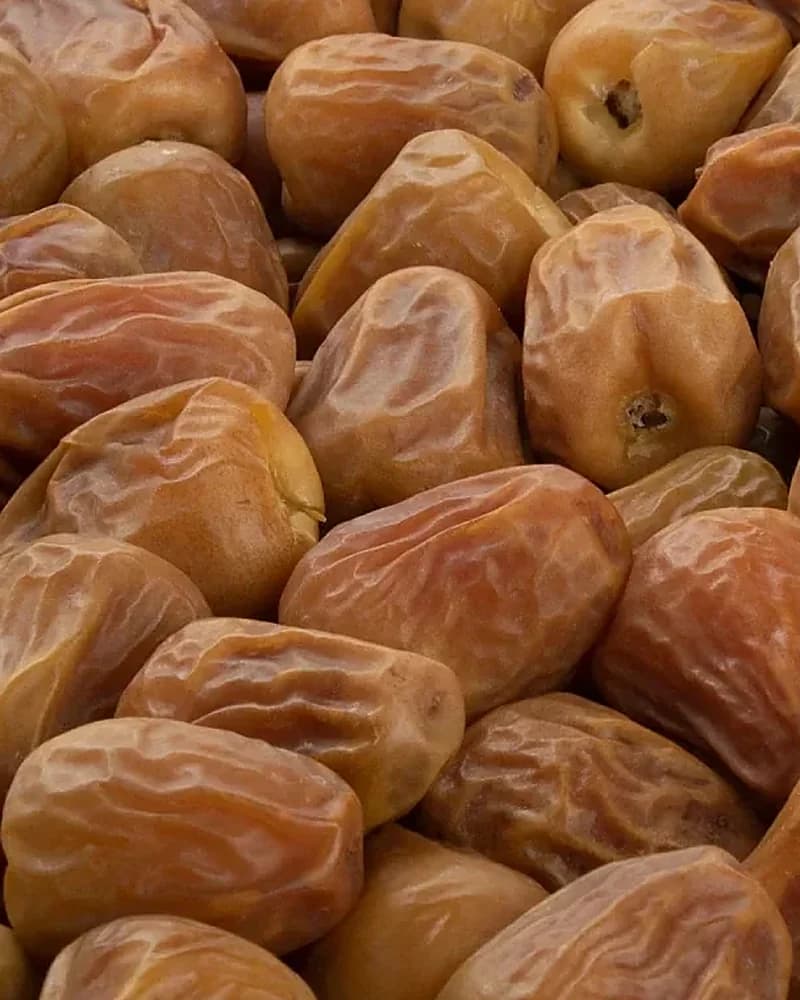
Sukkari — Qassim
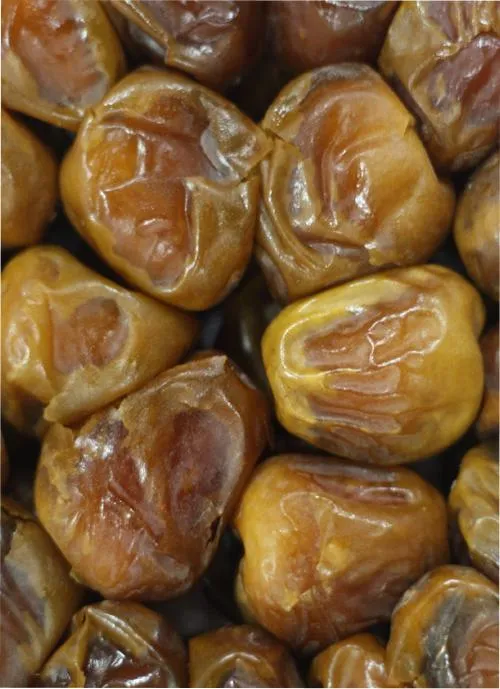
Last reviewed:
| Variety | Where it grows | Shape and colour |
|---|---|---|
| Sukkari | Qassim | Oblong oval. Yellow as busr, yellowish brown as rutab, brown as tamr. |
| Khalas | Al-Ahsa | Apricot yellow as busr, then light amber as rutab, then reddish amber. It is eaten at every stage. |
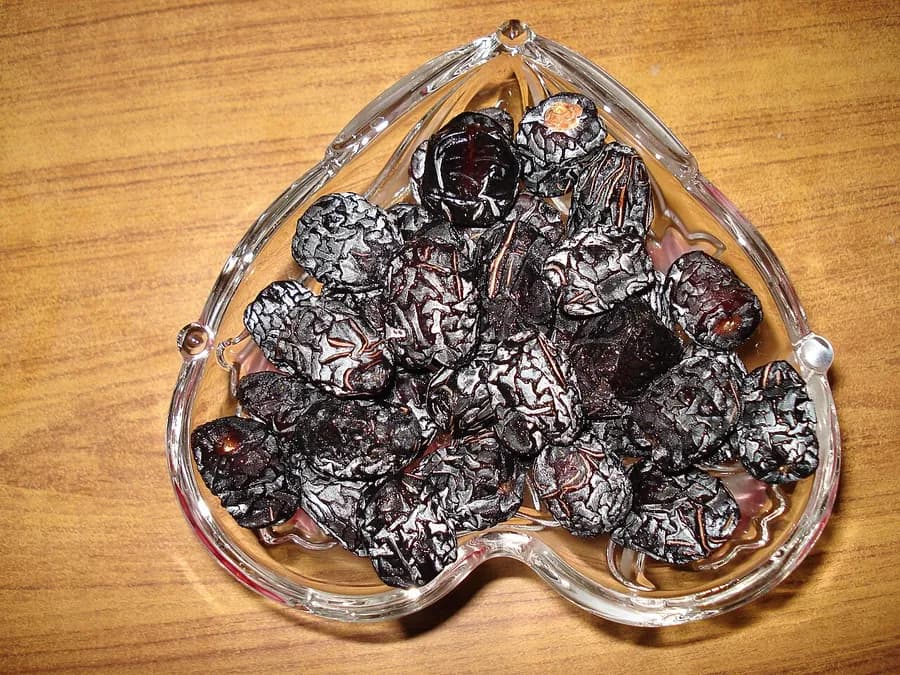
| Ajwa | Madinah | A round date with wavy lines, dark and almost black. |
| Medjool | Qassim and elsewhere; it originally comes from Morocco | Oblong oval. Orange-yellow as busr, yellowish brown as rutab, reddish brown as tamr. |
| Sagai | Al-Arid around Riyadh, and found in Qassim too | Thick and cylindrical. It turns dark brown while its tip stays golden. |
| Barhi | Most regions of Saudi Arabia | Apricot yellow as busr, then translucent honey as rutab, then light brown as tamr. |
| Safawi | Madinah | Oblong oval. Reddish orange as busr, dark red as rutab, brownish red as tamr. |
| Sufri | Bisha and most regions | — |
| Khudri | Madinah and other regions | Elongated and cylindrical. Red as busr, brownish red as rutab, dark brown as tamr. |
| Mabroom | Madinah | An elongated date, also called “Barni Al-Ula”. |
| Nabtat Saif | Qassim | Oval to round. Yellow as busr, golden as rutab, golden brown as tamr. |
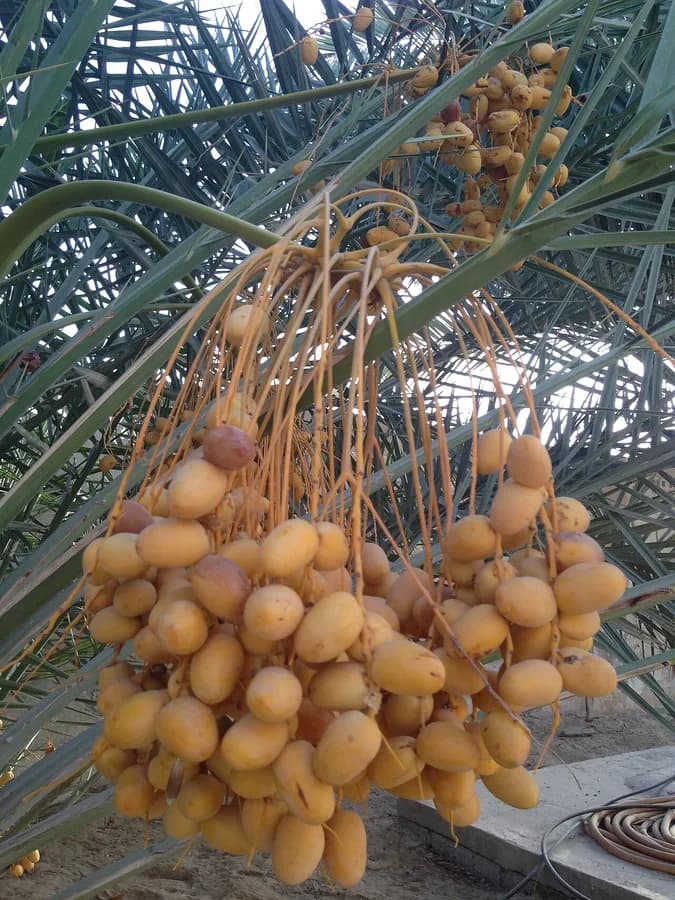
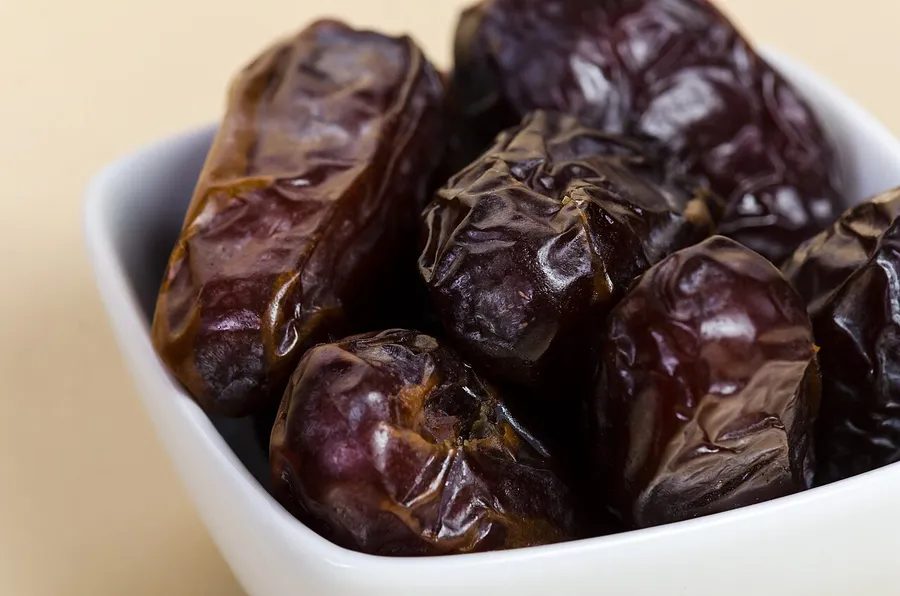
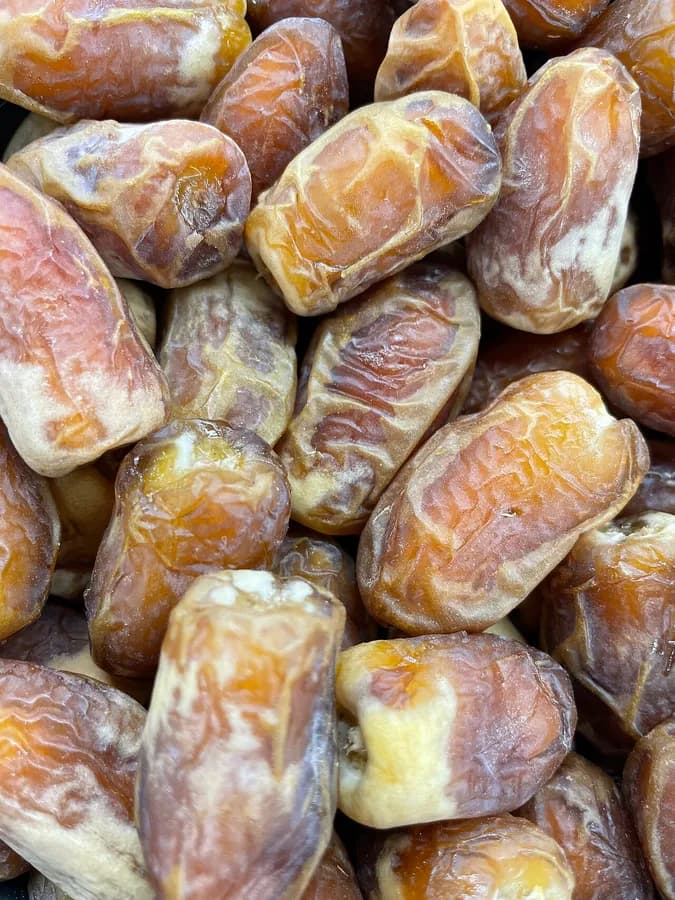
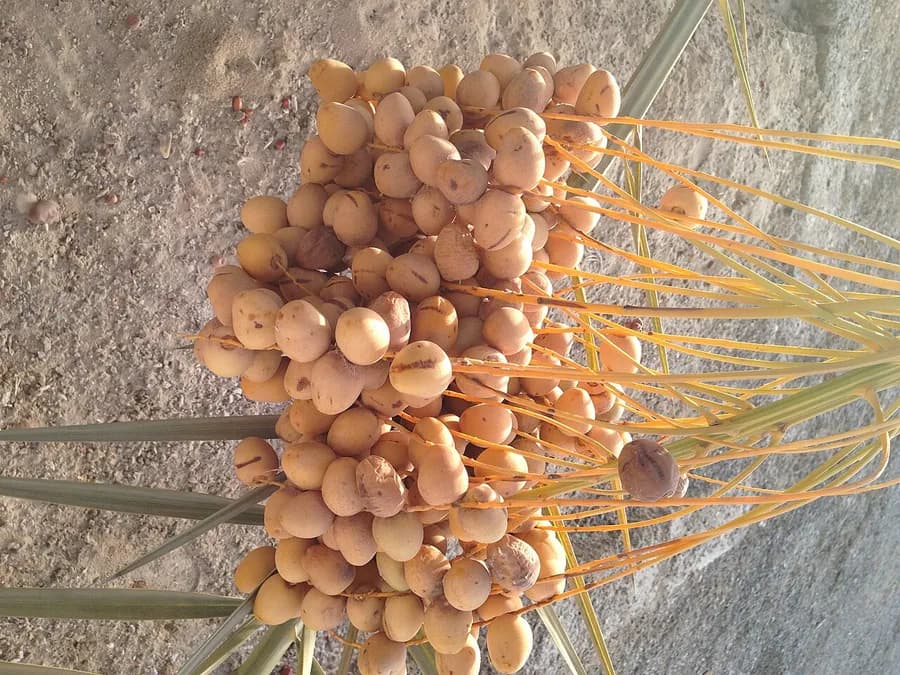
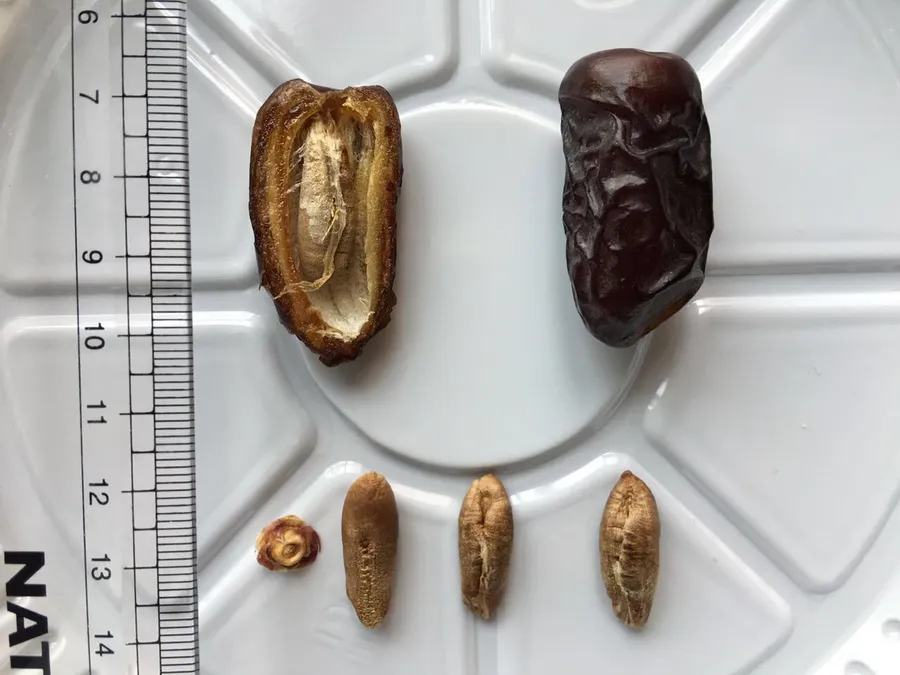
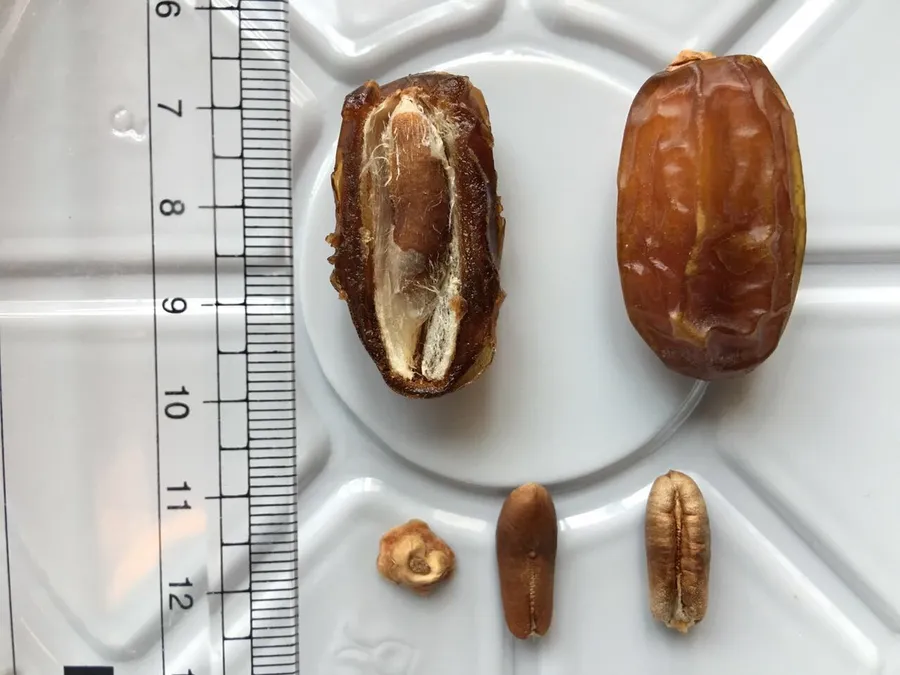
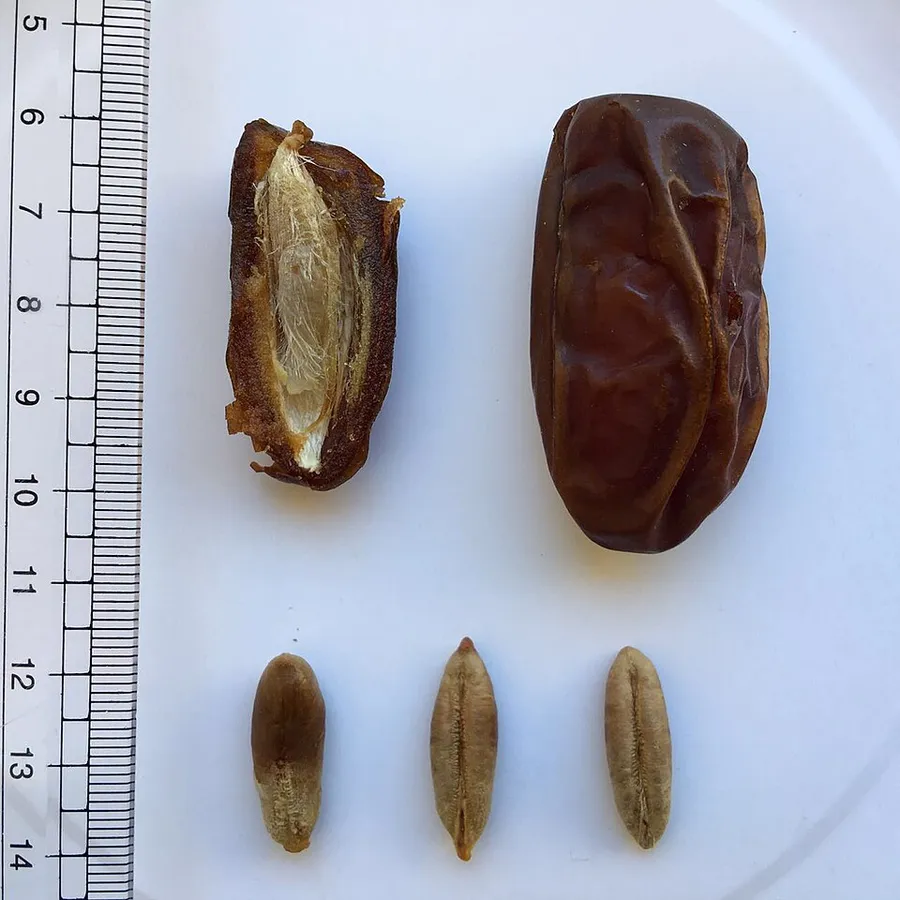
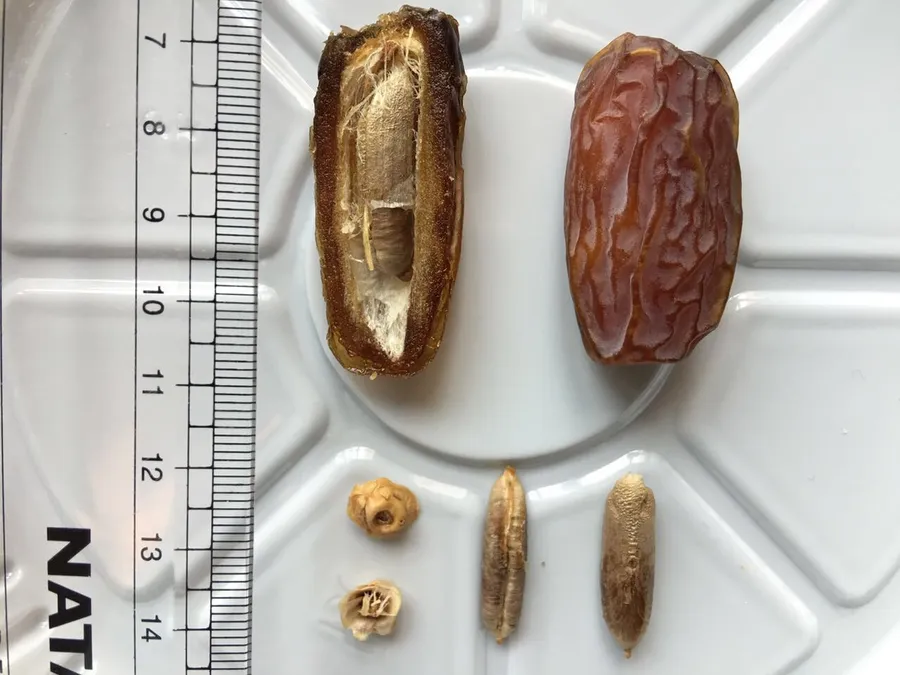
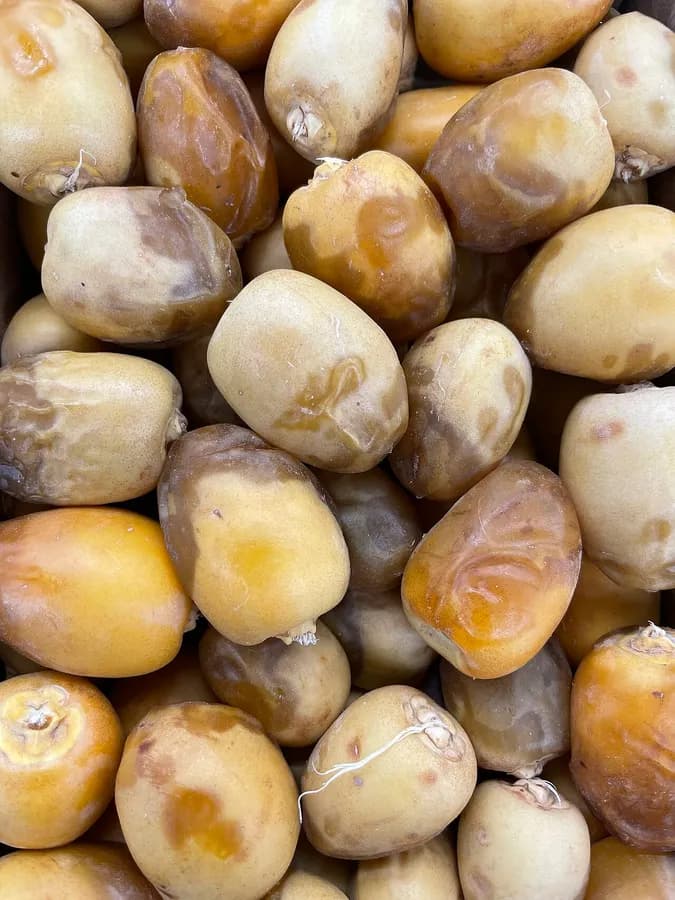
Every variety passes through the same stages, and differs in the stage at which it is eaten: Barhi as yellow khalal, Sukkari as rutab and then as tamr.
The whole season is in the game The palm’s season, stage by stage.
Saudi Arabia had 37.6 million date palms in 2024, more than 32 million of them bearing fruit. Qassim leads the regions: 10.87 million palms in 2024. Sukkari palms are about 65% of the palms in the Qassim region.
At Aljoud Premium Dates we sell Sukkari and Ajwa: Mufattal in declared grades from Everyday to Rare, Galaxy in its grades, and Madinah Ajwa by the kilo in three grades, Premium, Royal and Rare, and inside some of the gift boxes. More in the Sukkari guide, and how it differs from Ajwa in Sukkari and Ajwa.
Khalas: The most numerous variety in Saudi Arabia: 10.95 million palms in 2024.
Qassim. It became known in a palm grove of the Al Jumah family in Khab Huwailan, west of Buraydah, and its old name was “Sukkariyat Al Jumah”.
Madinah. A round date with wavy lines, dark and almost black.
Qassim and elsewhere; it originally comes from Morocco. It comes from the Tafilalt oasis in Morocco, from where 11 offshoots were taken to America in 1927.
Rutab: The colour begins to turn from the tip, the flesh softens, and the sugar peaks before the water is lost. This is the shortest and most precious of the stages — and the hardest to ship. Tamr: The fruit loses its water, so its sugar concentrates and it keeps longer. This is where Mufattal and Maknooz appear, and where the date becomes a year’s provision rather than a season’s fruit.
Sukkari: Mufattal in its grades (Everyday, Middle, Premium, Royal and Rare), and Galaxy in its grades (Everyday, Premium, Royal and Rare). Madinah Ajwa by the kilo in three grades (Premium, Royal and Rare), and inside the gift box and the luxury dates box. Delivery is within Jeddah.